Indeed, at a BAC of .45 or above, you are probably going to die from alcohol poisoning. These facts about the stages of drunkenness are, therefore, a sobering antidote to the notion that “getting drunk” is a harmless form of social entertainment. Once an individual begins to drink more frequently, they have entered the second stage of alcoholism.

How to Identify Early-Stage Alcoholism in Yourself or Others
In this initial phase, people might engage in social or binge drinking. It might appear harmless at first, but it’s at this stage where the foundation of an unhealthy relationship with alcohol might start. Drinking can sometimes become a way for people to relieve stress or escape challenges, which can soon turn into a problematic pattern. During the Pre-Alcoholic Stage, individuals engage in social or binge drinking, utilizing alcohol as a pathway to relieve stress, anxiety, or boost self-esteem.
Substance Use Treatment Programs
Alcohol use disorder can affect anyone, regardless of background or lifestyle. Mental health conditions like anxiety, depression or PTSD can also increase the likelihood of developing a dependence on alcohol. When a person consumes alcohol, the full effects may take some time to become apparent.
The Importance of Recognising the Signs Early
If you’ve been struggling to escape the downward spiral of compulsive alcohol abuse, Phoenix Rising Recovery can help. Most people who struggle with this condition progress through multiple stages of alcoholism until they get the help they need. The progression of alcoholism is often divided into distinct stages, and each stage is characterised by specific patterns of behaviour and physical symptoms. Studying this progression can help you to understand how casual drinking can evolve into a severe alcohol dependency. By understanding these stages, inidividuals and their loved ones can identify signs early on, empowering them to make informed decisions about getting the help they need.
Alcohol treatment options include:
- Intoxication can also lead to choking due to vomit, extreme dehydration, circulatory issues, seizures, and even brain damage.
- They offer inpatient, partial inpatient and outpatient treatment options.
- At 0.45 BAC or above, many people are unable to sustain essential life functions, and the risk of respiratory arrest and death occurring is almost certain.
- The earlier you take steps to reduce your drinking, the easier it is to stop the progression before it becomes a full-blown addiction.
As the person consumes additional drinks, they move into the intoxication stage, where the effects of alcohol become more pronounced. Inhibitions begin to lower significantly, leading to more carefree and uninhibited https://ecosoberhouse.com/ behavior. The individual may appear more excitable and excessively chatty, engaging in louder conversations or bolder actions than they would normally consider when sober.
- Please visit the National Institute on Alcohol Abuse and Alcoholism website for more information and resources.
- The brain’s reward center is also activated when users drink to minimize the negative, painful effects of withdrawal, reinforcing the cycle.
- As intoxication becomes severe, all of these symptoms heighten, and a person experiencing them may vomit, black out (lose their memories of the evening), and eventually lose consciousness.
The fact that you have a problem is undeniable at this point; there is no dodging the question. You might even think this is the final stage of alcoholism but there is still another level to drop down to. Help is available for you no matter which stage of alcoholism you’ve reached. Thousands of people find a solution to their drinking through alcohol rehab each year. Alcohol addiction treatment teaches you more about the nature of your condition and provides you with the tools you need for long-term recovery.
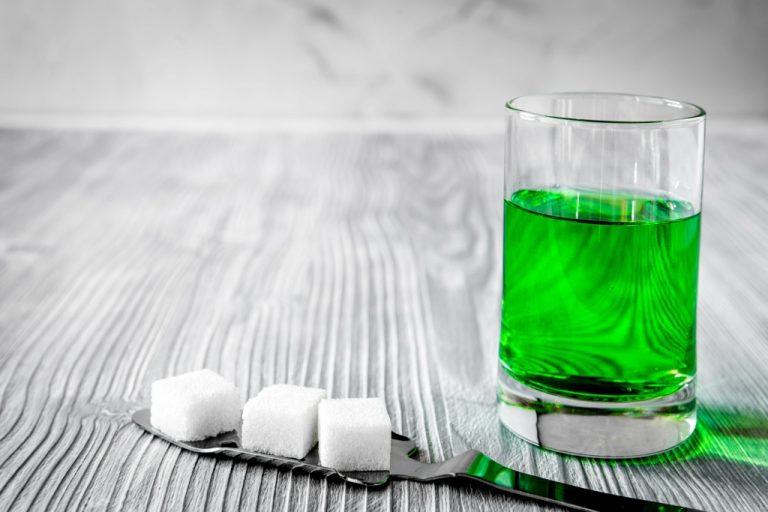

They stages of drunkenness can no longer stand, let alone walk, and may also be throwing up. They might just pass out at this point, and they must be cared for because it is also possible that their gag reflex will be affected. Choking on one’s vomit would be disastrous and may even be fatal, so we have to monitor people reaching this stage closely. They do not know what is going on and cannot remember what happens, making it very dangerous. Deficiencies in motor function and coordination become more pronounced in this stage. People may start behaving with less restraint, and judgment may now be askew.
Stages of Alcoholism: Early, Middle, & End-Stage Alcoholism
When the body can no longer excrete alcohol effectively, all vital functions slow dramatically. The individual will slip into a critically unresponsive state—a coma. At this stage, with a BAC of 0.35% to 0.45%, immediate emergency medical attention is absolutely vital. Without prompt intervention, this level of intoxication can be fatal.
The Recovery Village Indianapolis
This results in a sense of happiness and relaxation, making the person feel more social, talkative, and confident. Mild physical effects, such as a warming sensation or light-headedness, may also occur, though alcoholism the person may not yet recognize they are becoming intoxicated. If you or someone you love regularly experiences these stages, it may be time to evaluate the role alcohol plays in your life and consider seeking professional alcohol addiction treatment.